Our Winter Collection is out | Grab yours now before the 20th for special pricing options.

Our Winter Collection is out | Grab yours now before the 20th for special pricing options.
Curated By Vanessa Alexandra 29 May 2025
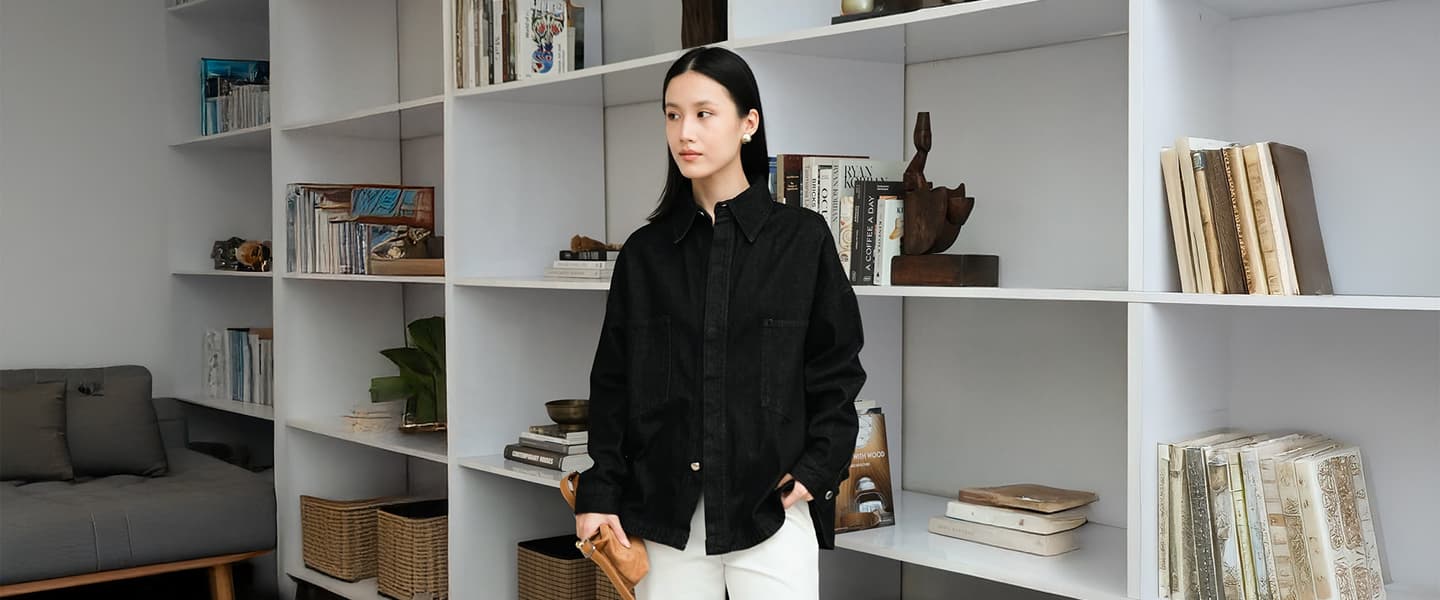
Advancing fashion in 2025 marks a pivotal moment where creativity, technology, and responsibility converge to redefine the industry. As consumer expectations evolve, fashion is no longer centered solely on visual appeal, but on how garments are designed, produced, and experienced. Innovation now extends beyond the runway into material science, digital integration, and purpose-driven design.
One of the most notable shifts in 2025 is the emphasis on functionality and adaptability. Clothing is increasingly designed to support dynamic lifestyles, offering versatility across work, leisure, and social settings. Modular pieces, refined layering, and timeless silhouettes are becoming core elements of modern wardrobes, reducing the reliance on fast, trend-based consumption.
Sustainability continues to move from a differentiator to a standard. Brands are investing in durable materials, transparent supply chains, and thoughtful production cycles. Consumers are more informed and selective, prioritizing quality and longevity over volume. In response, labels such as eclaire are focusing on intentional design—creating pieces that feel relevant, wearable, and enduring.
Technology also plays a growing role in advancing fashion in 2025. From data-informed design decisions to improved digital shopping experiences, the industry is leveraging innovation to better understand and serve its audience. This integration enables brands to deliver more personalized, efficient, and meaningful interactions.
Ultimately, advancing fashion in 2025 is about progress with purpose. It is an industry redefining success through impact, relevance, and responsibility—where style is not just seen, but thoughtfully lived.
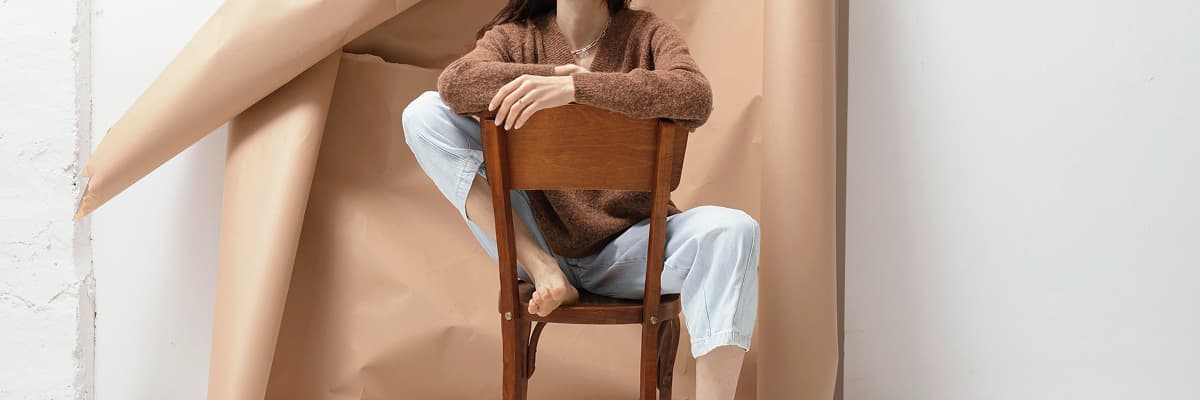
Advancing fashion in 2025 marks a pivotal moment where creativity, technology, and responsibility converge to redefine the industry. As consumer expectations evolve, fashion is no longer centered solely on visual appeal, but on how garments are designed, produced, and experienced. Innovation now extends beyond the runway into material science, digital integration, and purpose-driven design.
One of the most notable shifts in 2025 is the emphasis on functionality and adaptability. Clothing is increasingly designed to support dynamic lifestyles, offering versatility across work, leisure, and social settings. Modular pieces, refined layering, and timeless silhouettes are becoming core elements of modern wardrobes, reducing the reliance on fast, trend-based consumption.
Sustainability continues to move from a differentiator to a standard. Brands are investing in durable materials, transparent supply chains, and thoughtful production cycles. Consumers are more informed and selective, prioritizing quality and longevity over volume. In response, labels such as eclaire are focusing on intentional design—creating pieces that feel relevant, wearable, and enduring.
At the same time, consumers are rethinking ownership. Rental, resale, and circular fashion models are gaining traction, reinforcing the idea that style can be both expressive and sustainable.
Technology also plays a growing role in advancing fashion in 2025. From data-informed design decisions to improved digital shopping experiences, the industry is leveraging innovation to better understand and serve its audience. This integration enables brands to deliver more personalized, efficient, and meaningful interactions.
Ultimately, advancing fashion in 2025 is about progress with purpose. It is an industry redefining success through impact, relevance, and responsibility—where style is not just seen, but thoughtfully lived.
You may also love these
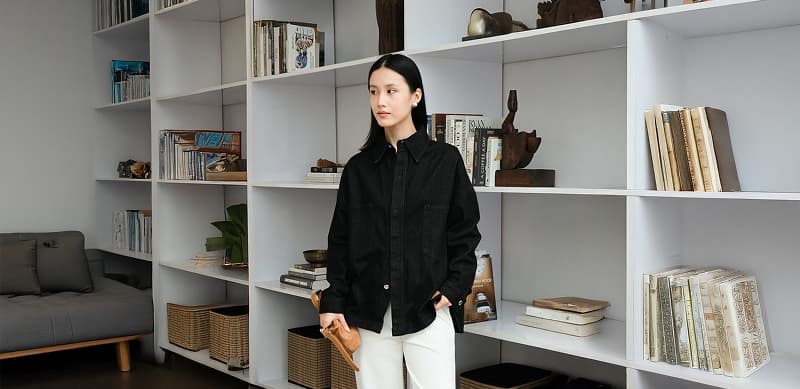
Advancing Fashion in 2025
2026 shows a decisive shift toward purposeful design, where innovation is measured not only by aesthetics but by impact. The industry.....
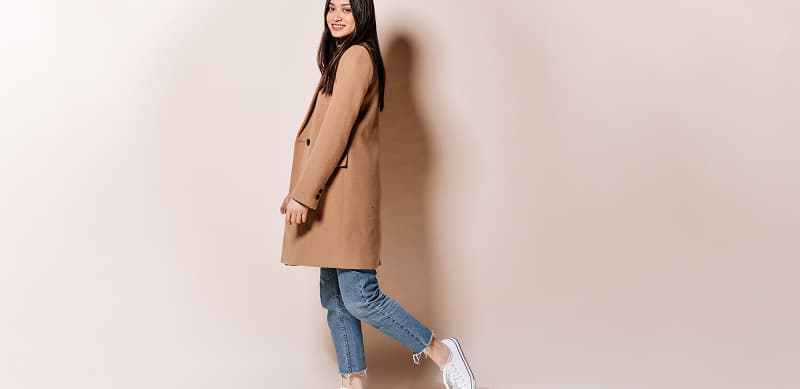
Winter Outfits of The Year
Refined balance between warmth, structure, and modern elegance. This season emphasizes layered versatility, elevated textures, and ....

Keep Up To Date
Subscribe to get special offers and get our latest update on new items!
Keep Up To Date
Subscribe to get special offers and get our latest update on new items!
Keep Up To Date
Subscribe to get special offers and get our latest update on new items!



Eclaire 2025 All Rights Reserved. Curated by Esa Creatives.